
-Why Simple Outdoor Moments Matter for Families with Special Needs
Where the Story Begins
In December 2019, just before the world would change, my wife and I returned from New Zealand where I had the opportunity to present at ANZALS19, the biennial research conference of the Australian and New Zealand Association of Leisure Studies. My presentation: Therapeutic Landscapes: Exploring Unstructured Outdoor Recreation Opportunities for Families with a Child with ASD, prompted an admittedly surprising number of engaging conversations with fellow researchers and practitioners. Looking back, I’m struck by how timely it was. At the time, COVID-19 was only a distant concern, but the idea of nature as a therapeutic refuge would soon become a lived reality for people everywhere.
The study was conducted through an action inquiry process in Virginia’s National Forests. My research explored how unstructured outdoor activities, that is, simple experiences in natural environments which are informal and self-directed (reminiscent of Montessori-inspired approaches), and distinct from Nature-based interventions (NBIs) with more rigid schedules or clinical expectations, offered enriching emotional and sensory benefits for children with autism spectrum disorder (ASD). The findings highlighted that such simple, nature-based experiences, like exploring forests, streams, or trails, provided substantial benefits and were explicated through several critical themes:
- Social Isolation and Solitude: Natural spaces provide relief from social pressures, when solitude is explored as therapeutic versus exacerbating inherent isolation.
- Presence Over Progress: The journey itself becomes the benefit, where the means is the end.
- Perceived Risks and Public Judgement: Venturing into secluded natural settings may feel risky to some yet often mitigate the intensity of behavioral challenges seen in public spaces.
- Intentionality versus Freedom: Intentionality isn’t synonymous with utility, nor does it preclude freedom. Unstructured outdoor time allows purpose and spontaneity to coexist, offering space to discover meaning without imposing outcomes.
What stood out most is how it aligned from living it ourselves. Raising a son with profound autism, we’ve experienced the relief of escaping public scrutiny, the calming effect of a slower pace, and the quiet freedom that comes from not having a fixed agenda. For many families like ours, public outings can feel overwhelming, risky, or just impossible, but in nature, we discovered space to breathe, recalibrate, and simply be together without pressure or performance.
Only months after sharing this research, the world shifted. As we all know, COVID-19 disrupted daily rhythms, isolating families and cutting off access to schools, services, and community life. For those of us already navigating complex needs, the impact was even sharper. In that season, the value of unstructured outdoor experiences became unmistakably clear. What had been a reflective, research-based exploration of nature’s therapeutic role suddenly became an urgent, practical reality.
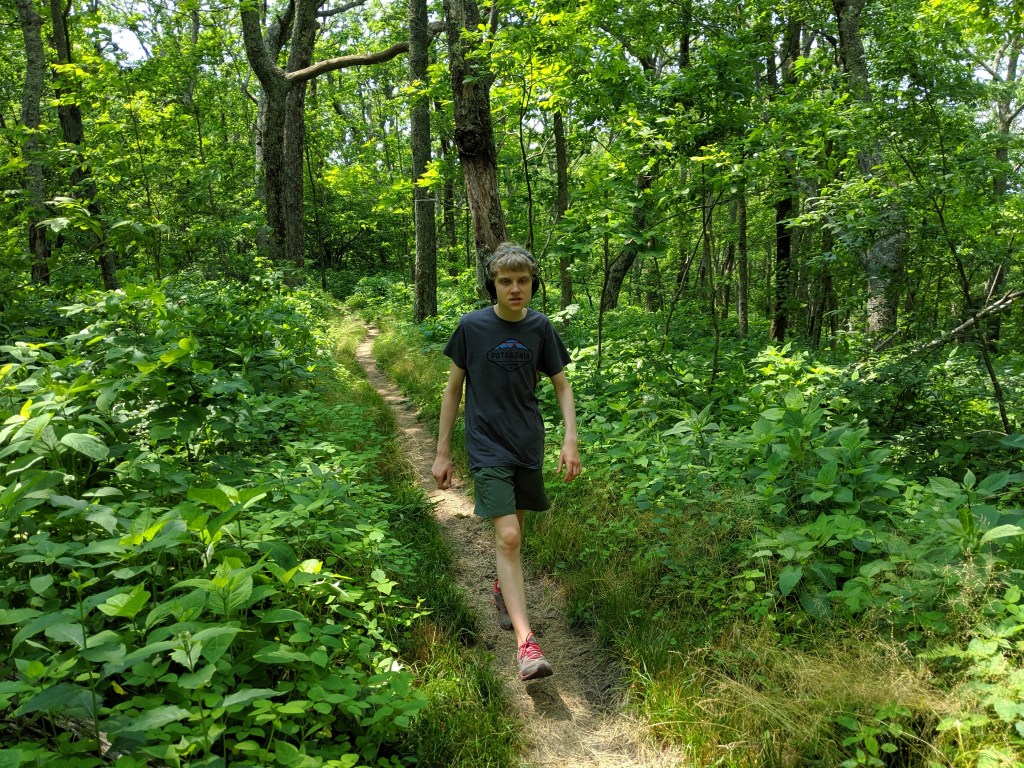
The Science of Nature’s Benefits
While my research was deeply personal and underpinned by lived experience, its themes resonate with a much broader body of evidence. For decades, scholars across disciplines have studied how exposure to nature supports human well-being. Natural environments have been linked to reduced stress levels, improved emotional regulation, enhanced mood, and even stronger cognitive functioning. These benefits are not limited to any one group, they reflect something fundamental about our relationship to the natural world.
To be sure, these outcomes aren’t anecdotal or discipline specific. Rather, they reflect a growing consensus across fields such as psychology, public health, environmental education, and leisure studies, all pointing to nature’s powerful role in nurturing holistic well-being. For individuals with ASD or sensory sensitivities, nature provides something uniquely valuable, namely, a space that is both stimulating and forgiving, offering sensory input without overwhelming demand. As public discourse grows around mental health and equitable access to green space, these findings challenge us to think beyond generalized benefits. They ask what’s at stake for families who are unintentionally excluded from those benefits, and what kinds of design, support, and advocacy are needed to make the outdoors truly inclusive.
At the same time, there is growing recognition that these restorative effects may hold particular relevance for individuals with sensory processing differences, including those with autism. My findings align with this established literature, suggesting that unstructured outdoor experiences may offer uniquely accessible, calming, and inclusive spaces for those often underserved by traditional recreational or therapeutic models. While much of the research has focused on the general population, there is still much to explore about how access to natural environments can be more intentionally supported and facilitated for families navigating developmental or sensory challenges.
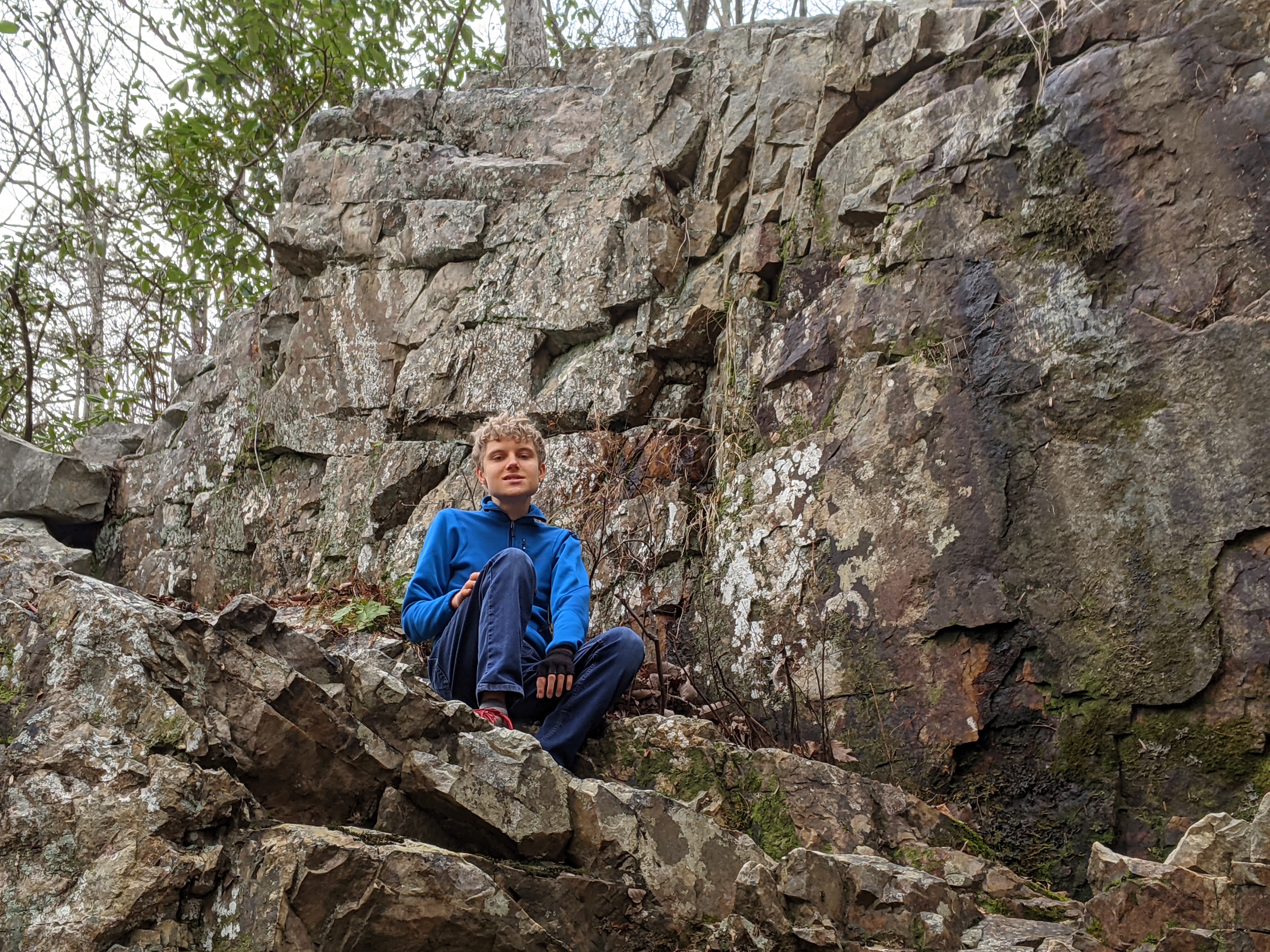
Nature’s Role for Special Needs and Sensory Challenges
As the pandemic continued and outdoor spaces took on renewed importance, the urgency of these questions deepened. With families more isolated than ever, the next phase of my research focused on how access to natural environments could be better understood and supported for those navigating developmental and sensory challenges. With international travel suspended due to COVID lockdowns, my study: Mental Maps and ASD in Outdoor Recreation: Developing a Methodological Framework, was presented virtually at the 2020 Beijing·Pinggu World Leisure Congress. It built directly on earlier findings but aimed to move beyond observation toward a more practical, replicable model for understanding and addressing the unique constraints families face in accessing natural spaces.
As such, the study sought to develop a methodological framework designed for identifying barriers to access and opportunities for inclusion in order to enhance access to unstructured outdoor recreation for other families navigating ASD. Families “map” their experience of a place in layered and personal ways, that is, what draws them in, what causes hesitation, and how meaning is assigned to natural settings through both comfort and challenge. These mental maps offered insight not only into accessibility, but also into the emotional landscape that families bring with them into nature. Healing, in this context, does not manifest exclusively as a function of structured programming, but through authentic, casual encounters with natural places. Moreover, the therapeutic is not something prescribed or imposed, but something relational, that is, emerging from embodied interactions with person and place.
The resulting three-stage framework incorporated GPS tracking, mental mapping, and in-situ dialogs (ecologically-active ones at that), offering a layered understanding of how families with ASD perceive, navigate, and make meaning of natural settings. The key findings from this work include:
- Interpretive Layering: Combining lived experience with technological data deepens understanding of individualized ASD-specific constraints and affordances in natural settings.
- Therapeutic Possibility: Locations identified by participants as logistically feasible, sensory-calibrated, or emotionally evocative provide meaningful opportunities for therapeutic experiences that do not require direct clinician oversight.
- Reframing Access: Accessibility is not just physical – it also includes perceptual, emotional, and experiential dimensions. Uncertainty about where to go, what to expect, or how to engage can remain a dominant barrier.
- Eco-literacy and Patience: Families need support to build interpretive familiarity with nature over time, with space for patient, sensory-based discovery.
These findings affirmed a growing truth where time in nature can offer powerful benefits for individuals with ASD, but only if they can access it. While structured recreation programs and therapeutic services play a vital role, they are not always feasible or inclusive for every family. In some cases, the very supports designed to help become the things that hold families back. This is especially relevant for individuals and families affected by profound autism, where the expectations of restraint and compliance built into many structured programs and developed environments, including community green spaces, can create barriers that ultimately exclude those they were designed to support. There’s a gap here, and for many, it’s wide. The structure, delivery, or environment intended to facilitate access can become the barrier itself. Meanwhile, a broad population of families remain disengaged not by choice, but by uncertainty – unsure of where to go, what they’ll encounter, or how their child will respond in unfamiliar outdoor, natural spaces. These insights point to a deeper need that’s not just about access, but guided entry into nature on terms that feel possible. And that’s where the next steps begin.
Compass & Cause: Reimagining Outdoor Inclusion
The questions raised by my research didn’t fade once the studies were complete. They stayed with me, quietly but persistently pushing toward something more practical, more personal, and more collaborative. The next step wasn’t just academic; it had to be lived. That step took shape through conversations with my daughter, Jessie, whose own journey had been marked by the same trails, the same challenges, and the same desire to create space for others. Raised alongside her brother Coleman, who lives with profound autism, and shaped by years immersed in the rhythms of endurance events, Jessie brought both clarity and compassion to what was next. Together, we began imagining a way forward, one rooted in inclusion, built on lived experience, and aimed at helping families feel not only welcome in the outdoors, but equipped to belong there.
Compass & Cause emerged from that shared vision. It is both a continuation of our story and a response to the stories we’ve witnessed; specifically, families navigating ASD, profound autism, uncertainty, and the quiet longing to belong in outdoor spaces that often feel just out of reach.
Grounded in our faith, we didn’t set out to solve everything, but we did believe there was room to do something different. One of our goals is to come alongside families, to offer practical tools and gentle guidance, and to reimagine access not as a static concept, but as something that shifts when seen from a different vantage point. Compass & Cause exists to bridge that gap; to help families move from hesitation to possibility, from isolation to connection, and from feeling excluded to feeling home in the outdoors.
A Shared Invitation
We know the work is ongoing. Compass & Cause isn’t a finished solution, it’s more like a trailhead than a summit. It’s guided by what we’ve learned, open to what we don’t yet know, and committed to walking alongside others. Our aim is to listen well, respond thoughtfully, and help more families find the confidence to step into nature with peace and purpose.
Hence, the heart behind this work is simple: nature matters, and everyone deserves to belong in it. For families facing sensory or developmental challenges, that belonging often requires more than just open space. It also requires understanding, support, and thoughtful invitation. This blog will be one way we continue that invitation. This is not meant to prescribe answers, but to explore questions that unfold over time, like trails that reveal themselves only once we begin walking. We’re not looking to define nature’s value, but to pay attention to how it is experienced differently by every family, every person, every season, and to reflect on the sense of place it offers, especially for those who need it most.
Compass & Cause exists to operate as a multi-functional, mission-led enterprise dedicated to consulting, coaching, advocacy, and action in outdoor, nature-based contexts. We design innovative strategies, customized experiences, and transformative tools that spark action, elevate advocacy, and strengthen individuals, organizations, and communities through purposeful engagement.

Guiding Purpose. Creating Impact.
Learn more about Compass & Cause here.
Selected Scholarly Works
Abraham, A., Sommerhalder, K., & Abel, T. (2010). Landscape and well-being: A scoping study on the health-promoting impact of outdoor environments. International Journal of Public Health, 55(1), 59–69. https://doi.org/10.1007/s00038-009-0069-z
Anixt, J. S., Meinzen-Derr, J., Estridge, H., Smith, L., & Brinkman, W. B. (2018). Characteristics of treatment decisions to address challenging behaviors in children with autism spectrum disorder. Journal of Developmental and Behavioral Pediatrics, 39(4), 282. https://doi.org/10.1097/DBP.0000000000000561
Bar-Lev Schleider, L., Mechoulam, R., Saban, N., Meiri, G., & Novack, V. (2019). Real life experience of medical cannabis treatment in autism: Analysis of safety and efficacy. Scientific Reports, 9(1), 200-7. https://doi.org/10.1038/s41598-018-37570-y
Berman, M. G., Jonides, J., & Kaplan, S. (2008). The cognitive benefits of interacting with nature. Psychological Science, 19(12), 1207–1212. https://doi.org/10.1111/j.1467-9280.2008.02225.x
Borgi, M., Loliva, D., Cerino, S., Chiarotti, F., Venerosi, A., Bramini, M., . . . Cirulli, F. (2016). Effectiveness of a standardized equine-assisted therapy program for children with autism spectrum disorder. Journal of Autism and Developmental Disorders, 46(1), 1-9. https://doi.org/10.1007/s10803-015-2530-6
Caputo, G., Ippolito, G., Mazzotta, M., Sentenza, L., Muzio, M. R., Salzano, S., & Conson, M. (2018). Effectiveness of a multisystem aquatic therapy for children with autism spectrum disorders. Journal of Autism and Developmental Disorders, 48(6), 1945-1956. https://doi.org/10.1007/s10803-017-3456-y
Dennis, M., Henderson-Wilson, C., Watson, J., & Lawson, J. T. (2024). Nature-Based Interventions for Adults with Developmental Disabilities: A Scoping Review Centering Autistic Adults. Sustainability, 16(3), 1077. https://doi.org/10.3390/su16031077
Fan, M. S. N., Li, W. H. C., Ho, L. L. K., Phiri, L., & Choi, K. C. (2023). Nature-based interventions for autistic children: A systematic review and meta-analysis. JAMA Network Open, 6(12), Article e2346715. https://doi.org/10.1001/jamanetworkopen.2023.46715
Fernee, C. R., Gabrielsen, L. E., Andersen, A. J. W., & Mesel, T. (2017). Unpacking the black box of Wilderness Therapy: A realist synthesis. Qualitative Health Research, 27(1), 114–129. https://doi.org/10.1177/1049732316655776
Fjørtoft, I. (2004). Landscape as playscape: The effects of natural environments on children’s play and motor development. Children, Youth and Environments, 14(2), 21–44. https://doi.org/10.1353/cye.2004.0054
Freudenberg, P., & Arlinghaus, R. (2009). Benefits and constraints of outdoor recreation for people with physical disabilities: Inferences from recreational fishing. Leisure Sciences, 32(1), 55-71. https://doi.org/10.1080/01490400903430889
Gesler, W. M. (1992). Therapeutic landscapes: Medical issues in light of the new cultural geography. Social Science & Medicine 34(7), 735-746. https://doi.org/10.1016/0277-9536(92)90360-3
Guest, L., Balogh, R., Dogra, S., & Lloyd, M. (2017). Examining the impact of a multi-sport camp for girls ages 8–11 with autism spectrum disorder. Therapeutic Recreation Journal, 51(2), 109-126. https://doi.org/10.18666/TRJ-2017-V51-I2-7383
Horlin, C., Falkmer, M., Parsons, R., Albrecht, M. A., Falkmer, T. (2014). The cost of autism spectrum disorders. Plos One, 9(9), Article e106552. https://doi.org/10.1371/journal.pone.0106552
Kim, J., Chun, S., Kim, H., Han, A., & Hodges, J. S. (2018). Contribution of leisure participation to personal growth among individuals with physical disabilities. Therapeutic Recreation Journal, 52(3), 201-214. https://doi.org/10.18666/TRJ-2018-V52-I3-8805
Kobliner, V., Mumper, E., & Baker, S. M. (2018). Reduction in obsessive compulsive disorder and self-injurious behavior with Saccharomyces boulardii in a child with autism: A case report. Integrative Medicine, 17(6), 38–41. https://www.ncbi.nlm.nih.gov/pmc/articles/PMC6469440/
Li, D., Larsen, L., Yang, Y., Wang, L., Zhai, Y., & Sullivan, W. C. (2019). Exposure to nature for children with autism spectrum disorder: Benefits, caveats, and barriers. Health and Place, 55, 71-79. https://doi.org/10.1016/j.healthplace.2018.11.005
Ludlow, A., Skelly, C., & Rohleder, P. (2012). Challenges faced by parents of children diagnosed with autism spectrum disorder. Journal of Health Psychology, 17(5), 702–711. https://doi.org/10.1177/1359105311422955
Morita, E., Fukuda, S., Nagano, J., Hamajima, N., Yamamoto, H., Iwai, Y., Nakashima, T., Ohira, H., & Shirakawa, T. (2007). Psychological effects of forest environments on healthy adults: Shinrin-yoku (forest-air bathing, walking) as a possible method of stress reduction. Public Health, 121(1), 54–63. https://doi.org/10.1016/j.puhe.2006.05.024
Ramshini, M., Hassanzadeh, S., Afrooz, G., & Hashemi Razini, H. (2018). The effect of family-centered nature therapy on interactions between parent and child with autism spectrum disorder. Iranian Rehabilitation Journal, 16(4), 379-386. https://doaj.org/article/88d0061227f540cc9c8f6b81e731ad59
Reis, A. C., Thompson-Carr, A., & Lovelock, B. (2012). Parks and families: Addressing management facilitators and constraints to outdoor recreation participation. Annals of Leisure Research, 15(4), 315-334. https://doi.org/10.1080/11745398.2012.737299
Townsend, J. A., & Van Puymbroeck, M. (2017). Parental perceptions of changes in family well-being following participation in a camp: Experiences of families with a child with ASD. Therapeutic Recreation Journal, 51(2), 143 –163. https://doi.org/10.18666/TRJ-2017-V51-I2-8359
Wells, N. M., & Evans, G. W. (2003). Nearby nature: A buffer of life stress among rural children. Environment and Behavior, 35(3), 311–330. https://doi.org/10.1177/0013916503035003001
Zachor, D. A., Vardi, S., Baron‐Eitan, S., Brodai‐Meir, I., Ginossar, N., & Ben‐Itzchak, E. (2017). The effectiveness of an outdoor adventure programme for young children with autism spectrum disorder: A controlled study. Developmental Medicine & Child Neurology, 59(5), 550-556. https://doi.org/10.1111/dmcn.13337
This post is original content created by Compass & Cause, LLC. No part may be reproduced or shared without written permission. © 2025 Clark Zealand. All rights reserved.
 Compass & Cause, LLC